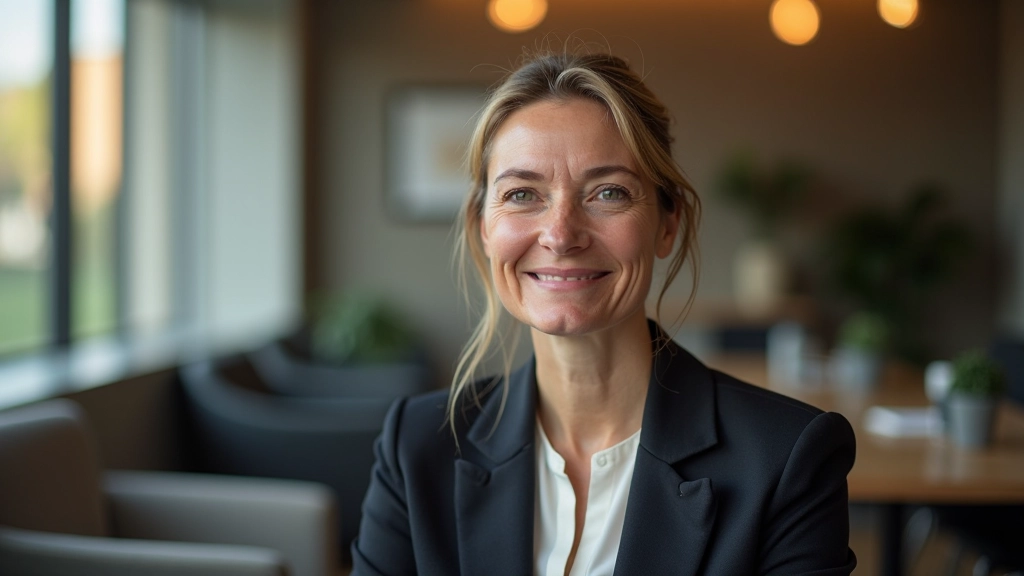

Age-Positive Mindset Workshops in Narva
Shift how you think about aging. These workshops focus on reframing midlife as a time of growth, not decline, with practical tools you'll use immediately.


Why Mindset Matters in Midlife
Here's the thing — what you believe about aging shapes how you experience it. If you're telling yourself that 45, 50, or 55 is "past your prime," that narrative becomes your reality. But it doesn't have to be that way.
The workshops in Narva aren't about pretending aging doesn't happen. They're about recognizing what actually improves with age — perspective, patience, knowing yourself better. We work with people who feel stuck in the middle, caught between who they were and who they're becoming. And we help them see that this transition point is actually an opportunity.


What You'll Actually Learn
The workshops run for 6 weeks, two hours per session. You won't sit passively listening to someone lecture about positive thinking. Instead, you'll work through practical reframing exercises — real situations from your own life.
One section focuses on what researchers call "narrative reconstruction." Basically, you're identifying the old stories you've been telling yourself about aging, and you're consciously choosing new ones. Someone might come in thinking "I'm too old to start anything new" and leave with concrete examples of how they're already learning new things constantly.
Another part covers what we call "selective optimization." It's about getting real about what matters most at this stage of life and redirecting energy there. Less time feeling guilty about things you can't do. More time doing the things that actually matter to you.
The Tools You'll Take Home
We're not big on abstract concepts. Everything in these workshops is designed to be immediately useful. You'll get a workbook with journaling prompts, exercises, and a simple framework for checking your mindset throughout the week.
One tool that people mention most often is the "strength inventory." You spend about 20 minutes identifying skills, qualities, and experiences that have actually deepened with age. Wisdom. Emotional regulation. Knowing your boundaries. Confidence in what you're good at. The point isn't ego — it's building evidence against the narrative that aging only means loss.
There's also a "reframing script" — basically, when you catch yourself thinking something limiting about your age, you've got a quick mental move to challenge it. It feels awkward the first few times. By week four, it becomes automatic.


The Community Piece
Honestly, the best part for most people is the group itself. You're in a room with 10-12 others who are dealing with similar stuff — career questions, family transitions, feeling invisible in a youth-obsessed culture. It's validating just to be around people navigating the same thing.
By week three, you'll notice people opening up about things they don't usually discuss. One person talks about how she felt sidelined when younger colleagues started getting promoted faster. Another shares that he's grieving the athletic abilities he had at 30. And instead of judgment, you get people saying "Yeah, I've felt that too" and offering perspective. That's the real shift — you realize you're not alone, and you're not broken for feeling conflicted about aging.
What People Notice After 6 Weeks
- More patience with themselves during transitions
- Clearer sense of what actually matters to them now
- Less energy wasted on "shoulds" and more on "wants"
- Better conversations with family about aging and change
- Specific tools they actually use when negative thoughts show up
"I went in thinking I was past my best years. Sounds dramatic, but it's what I believed. The workshop didn't magically fix that, but it gave me actual evidence that I'm different now, not worse. Wiser about money, better at relationships, more comfortable saying no to things I don't want. That wasn't in my narrative before."
The Point
You're not coming to these workshops to deny that aging exists or to pretend midlife challenges aren't real. You're coming because you want to stop letting a negative narrative run the show. Because you know there's more to this chapter than decline. Because you want practical help thinking differently about where you are right now.
The workshops in Narva meet on Wednesday evenings from 6:30-8:30 PM, which makes it doable even if you're working or managing family stuff. New sessions start monthly. If you're ready to actually work on how you're thinking about your age and what's possible, that's worth exploring.
Important Note
This article is informational and educational in nature. The workshops described are designed to support personal growth and mindset development. They are not a substitute for professional mental health treatment. If you're experiencing clinical depression, anxiety, or other mental health concerns, please consult with a qualified healthcare provider or therapist. Everyone's experience with aging and transitions is different — what works in a workshop setting is one tool among many that might support your wellbeing.