Rediscovering Your Passions After 50
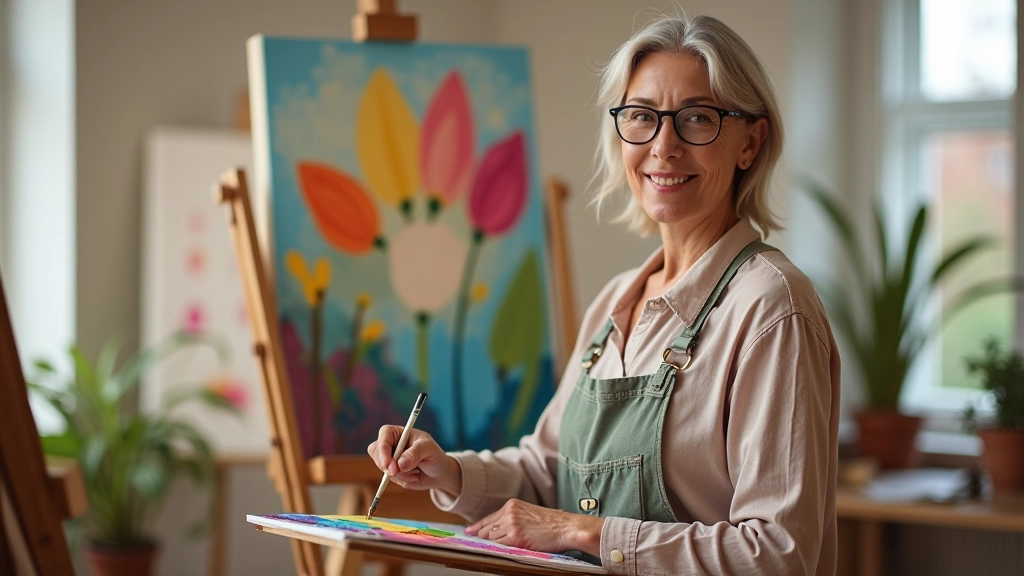
It's never too late. Real stories from people who found new hobbies, creative outlets, and unexpected interests during their midlife years.
Read MoreConnection matters more than you think. When you're navigating midlife transitions, having people who actually understand what you're going through changes everything. We've mapped out the best peer support groups meeting regularly across Tallinn — places where real conversations happen and real friendships form.


There's something powerful about sitting in a room with people who get it. Not the "I'm so sorry to hear that" kind of understanding — the real kind. The kind where someone shares a struggle you've had and you feel that immediate click of recognition.
That's what peer support groups do. They're not therapy (though they're often therapeutic). They're not lectures. They're spaces where people going through similar life changes meet, talk honestly, and realize they're not alone in this. In Tallinn, there are more of these groups than you'd expect — and they're open to anyone ready to show up.
Most groups follow a simple structure. You show up (usually with coffee or tea provided), sit in a circle, and listen. When it's your turn, you share what's on your mind — or you don't. That's fine too. People talk about career changes, identity shifts, family dynamics, rediscovering themselves after decades of being someone else's priority. The stuff that keeps you up at night.
Facilitators — usually trained volunteers or coaches — keep things on track. They make sure everyone gets a chance to talk and that conversations stay focused. No one's fixing anyone. No one's judging. It's confidential, which is huge. You can say things in these rooms you wouldn't say to your closest friends.
The unwritten rule: What's said here, stays here. What's learned here, leaves with you.


Tallinn has groups focused on different themes. Some center on career transitions and reinvention. Others focus specifically on the emotional side of aging. A few are mixed — people at any point in their midlife journey welcome.
The best approach? Visit a couple. Most groups let you drop in for a free session first. You'll feel the vibe immediately. Is it the right size for you? Do people seem genuine? Does the facilitator create a safe space? These things matter. You're looking for a place where you can be yourself without explanation.
Yes, you get support. But there's more. People in these groups often report a surprising side effect: clarity. When you hear someone else's story, something clicks about your own. You realize you're not crazy for feeling stuck. You understand that change doesn't have to happen all at once. You see possibilities you didn't see before.
There's also friendship. Real friendships. People who started as strangers in a circle become your people. They text you. They remember things you mentioned. They celebrate when things shift for you. That matters, especially during transitions when your old social circles might not quite fit anymore.


Community centers across Tallinn host most of these groups. The Kesklinna Kultuurikeskus (City Center Cultural Center) runs several. Naissalon has groups focused on women's transitions. Men's groups meet at various sports clubs. There are also groups through coaching organizations and wellness centers.
Your best bet? Contact local resilience coaches or search community center websites for "peer support" or "discussion groups." Most advertise their meeting times and whether they're open to new people. Don't be shy about asking questions before you show up. Good facilitators welcome questions.
Pro tip: If you can't find exactly what you're looking for, ask your resilience coach or therapist for recommendations. They usually know the landscape and can point you toward groups that'd be the best fit for where you are right now.
Finding your tribe — the people who get what you're going through — is one of the most important things you can do during midlife transitions. It's not weakness. It's not indulgent. It's practical. When you're surrounded by people who understand, you make better decisions. You feel less isolated. You remember that this phase of life has real possibility in it.
Tallinn's peer support groups exist because people showed up. They asked for community. They decided that navigating change was easier together. You can do the same. Pick a group. Go once. See what happens. The worst that can happen is you spend an evening with interesting people talking about real things. That's not bad. That's actually pretty good.
Ready to explore other resources for your midlife journey?
Browse All Resilience ResourcesThis article is informational and educational in nature. Peer support groups are not a substitute for professional mental health treatment or medical advice. If you're experiencing significant emotional distress, depression, or thoughts of self-harm, please consult with a qualified mental health professional. Support groups complement professional care — they don't replace it. Always choose groups with trained facilitators who maintain appropriate boundaries and confidentiality protocols.